8 Underrated AI Marketing Tools Small Businesses Should Be Using in 2026

Artificial intelligence is no longer a luxury reserved for enterprise marketing teams with six-figure software budgets.
Today, small businesses have access to powerful AI tools that can help them compete with larger brands, automate repetitive work, improve visibility online, and create better customer experiences, without hiring additional staff.
Most conversations about AI marketing tools revolve around the same familiar names: ChatGPT, Claude, Jasper, Midjourney, or HubSpot AI. While these platforms are excellent, they are also widely known and increasingly crowded. The bigger opportunity often lies in discovering tools that are less popular but highly effective.
For small businesses, the challenge isn't finding more AI tools. It's finding the right tools that solve real marketing problems. This article explores eight underrated AI marketing platforms that deserve more attention in 2026, covering SEO, content creation, audience research, strategy, customer engagement, and workflow automation.
1. ActVox
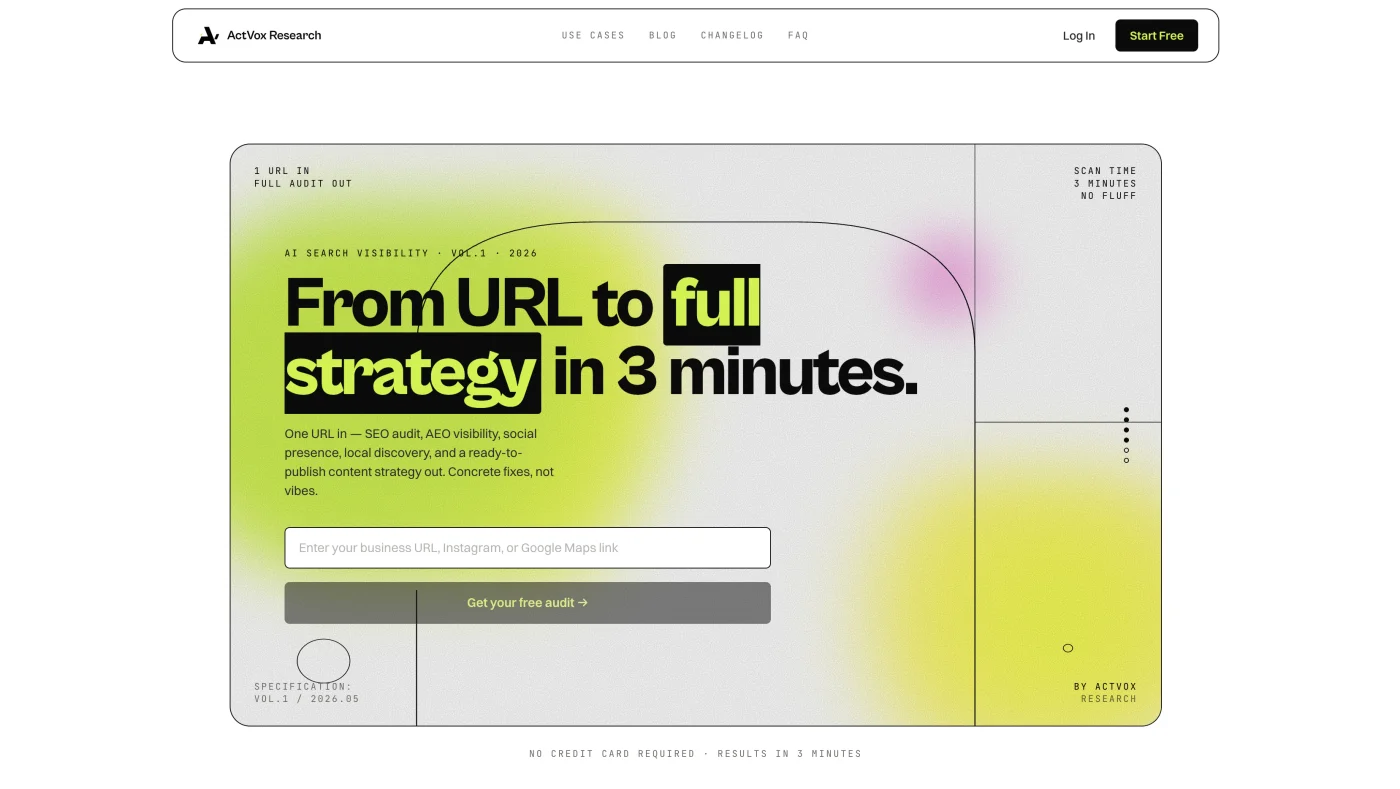
One of the biggest challenges facing small businesses today is fragmentation. A business owner might use one platform for SEO, another for content, another for strategy, another for audits, and several more for campaign management.
ActVox was built to solve this by bringing multiple marketing functions into a single platform. Instead of focusing on one narrow task, it combines AI-powered marketing agents that help with:
- SEO optimization
- Answer Engine Optimization (AEO)
- Content strategy & creation
- Marketing audits
- Competitive research
- Campaign planning & project hubs
The platform is designed around the idea that modern marketing requires connected systems rather than isolated tools. One standout feature is its focus on Answer Engine Optimization, helping businesses appear in AI-generated results from ChatGPT, Google AI Mode, Gemini, and Perplexity. As search behaviour evolves beyond traditional keywords, ActVox aims to help businesses stay visible wherever AI assistants generate answers.
2. SparkToro
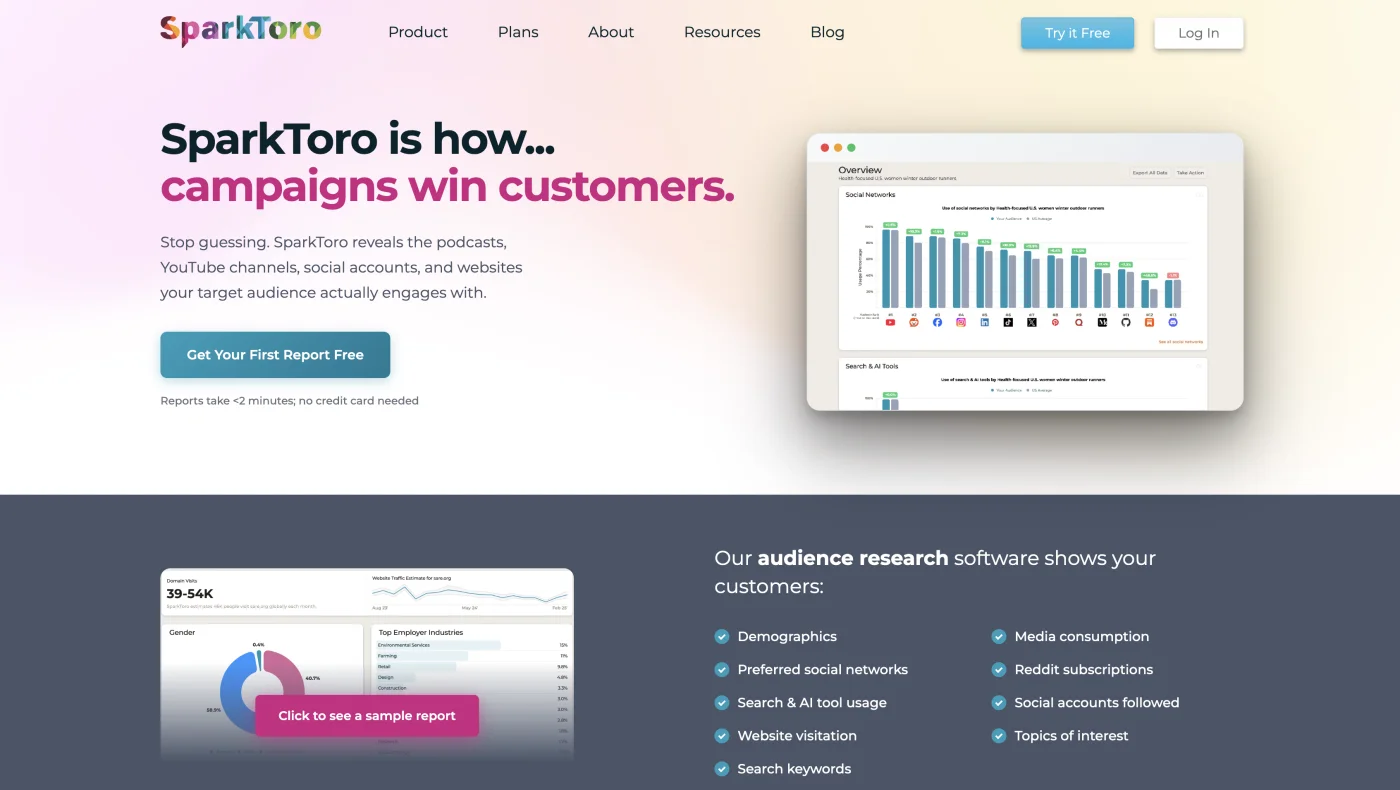
Many businesses struggle because they don't truly understand where their audience spends time online. Traditional market research is expensive and often outdated before it's published. SparkToro approaches the problem differently, analysing millions of public social and web profiles to reveal:
- Podcasts your audience listens to
- Websites they visit
- YouTube channels they follow
- Social accounts they engage with
- Keywords and interests they care about
Instead of guessing where to promote content, businesses can discover exactly where their ideal customers already spend attention. For local businesses, consultants, SaaS startups, and niche ecommerce brands, this intelligence can dramatically improve marketing efficiency.
3. Ocoya
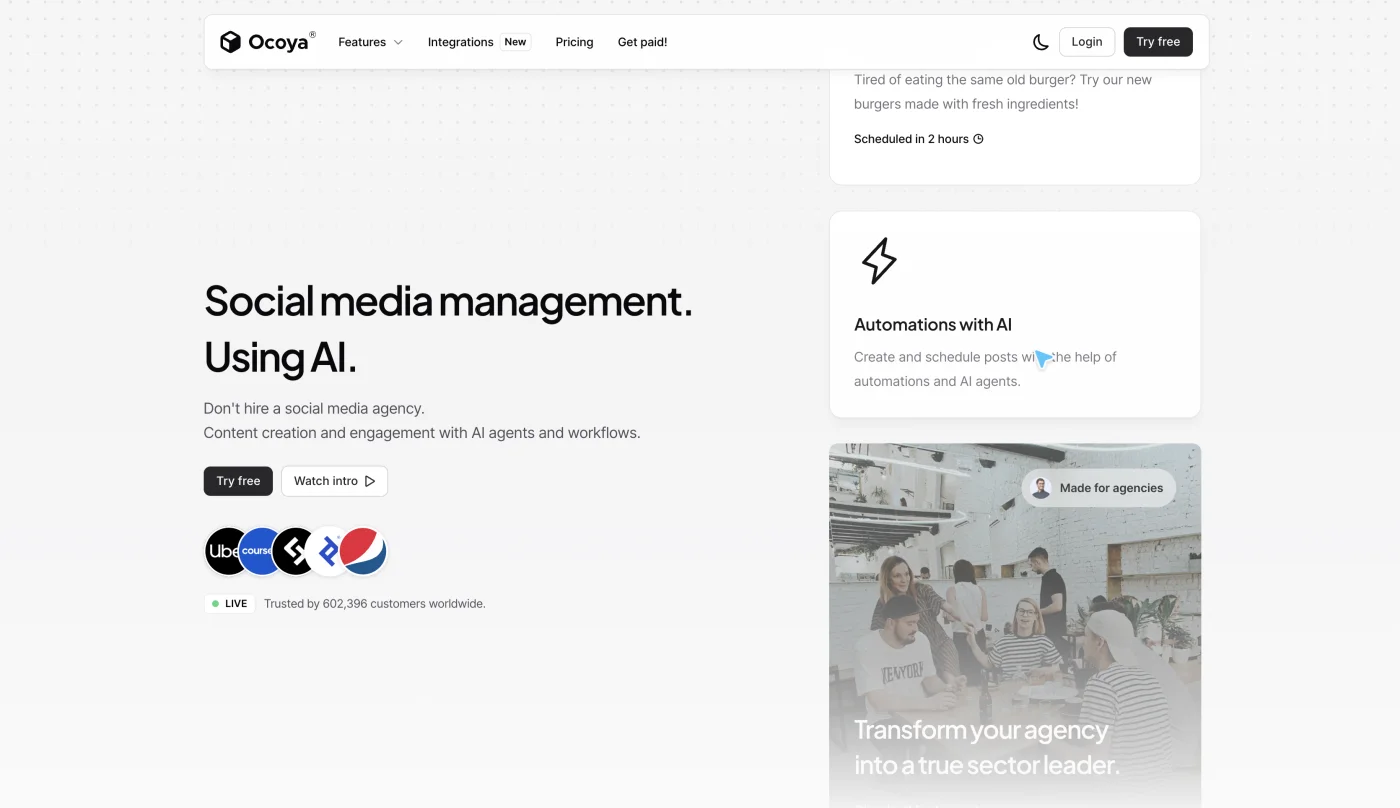
Social media management has become increasingly demanding. Businesses need graphics, captions, hashtags, scheduling, and analytics across multiple platforms. Ocoya combines these into a single AI-powered workflow that helps users:
- Generate social captions
- Create marketing graphics
- Schedule content
- Repurpose existing content
- Analyse performance
Unlike many scheduling platforms, Ocoya places AI content generation at the centre of the experience, particularly useful for businesses without a dedicated social media manager. A small ecommerce store, local restaurant, or service business can create weeks of content far faster than traditional workflows allow.
4. Frase
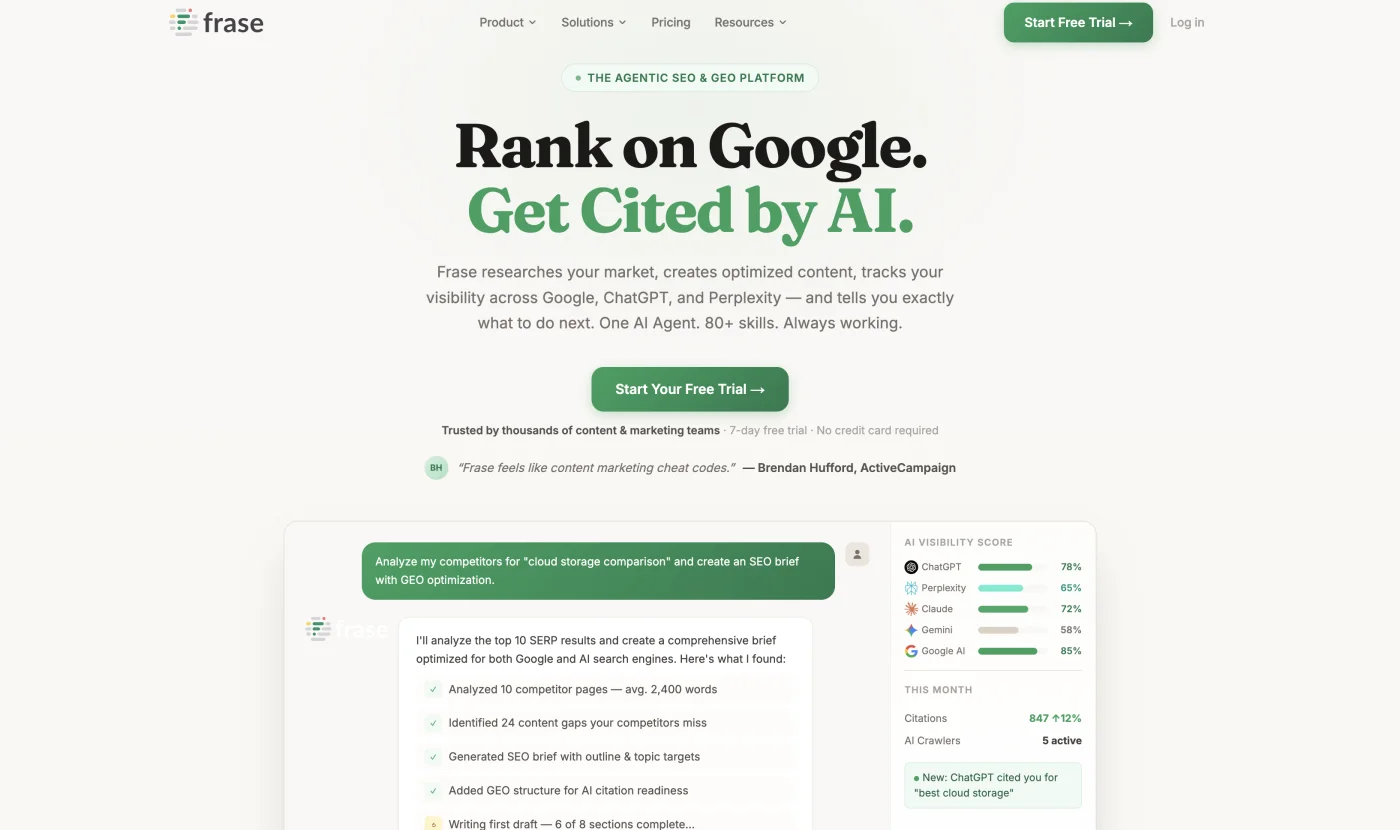
SEO content creation has changed dramatically. Ranking is no longer simply about adding keywords to a page. Search engines increasingly reward comprehensive answers that satisfy user intent. Frase helps marketers create content optimized for that environment by analysing search results to identify:
- Common topics competitors cover
- Questions users ask
- Content gaps
- Semantic keyword opportunities
Its AI writing assistant generates content briefs, outlines, and drafts aligned with what search engines currently reward. For businesses that publish blogs regularly, Frase can cut research time significantly.
5. Browse AI
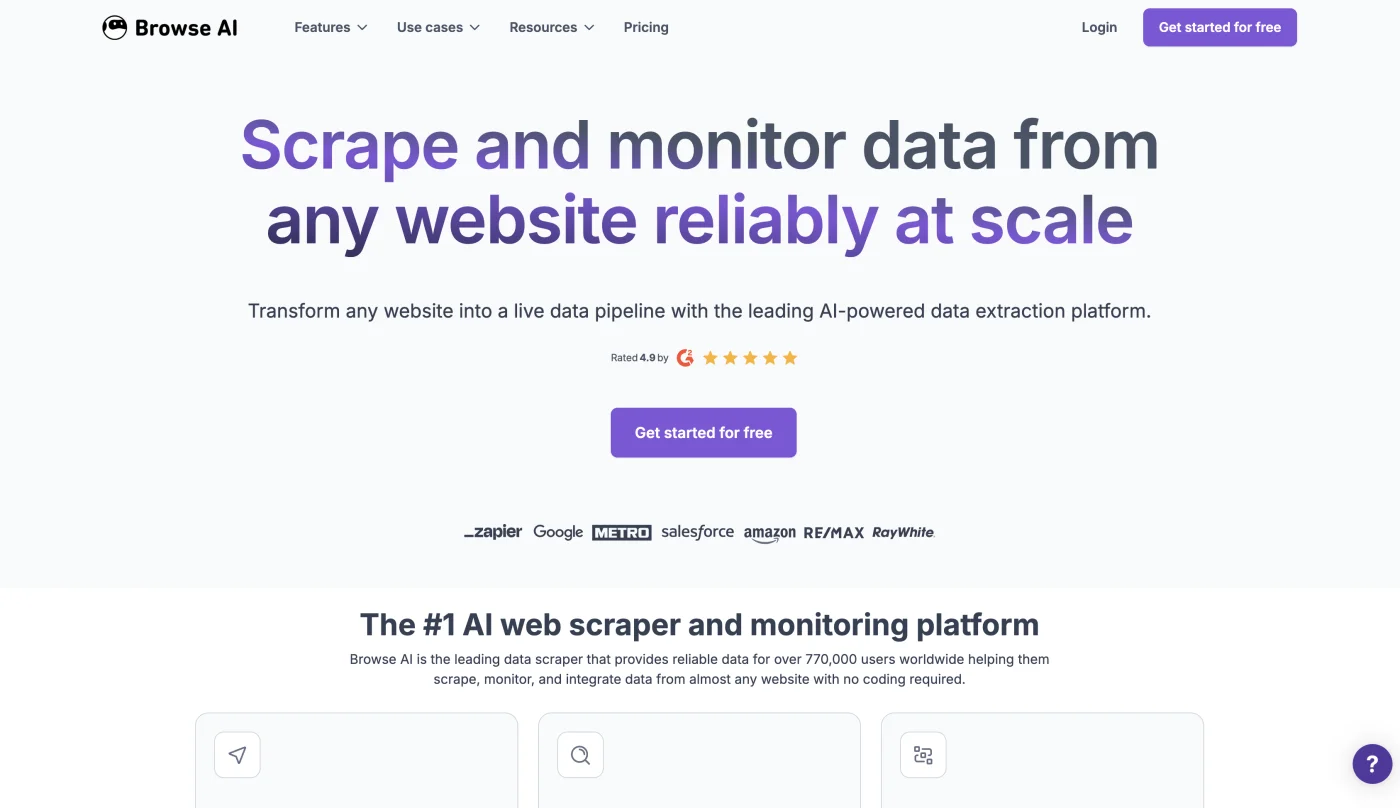
Most businesses collect data manually: competitor pricing, industry news, job postings, product launches, market trends. Browse AI automates this. Users can train AI-powered robots to monitor websites and collect information without writing any code. The platform can:
- Track competitor changes
- Monitor pricing updates
- Capture lead information
- Watch product launches
- Collect market intelligence
For small businesses that cannot afford dedicated research teams, Browse AI acts like an automated intelligence assistant, and the ability to continuously monitor competitors provides a significant strategic advantage.
6. Keyword Insights
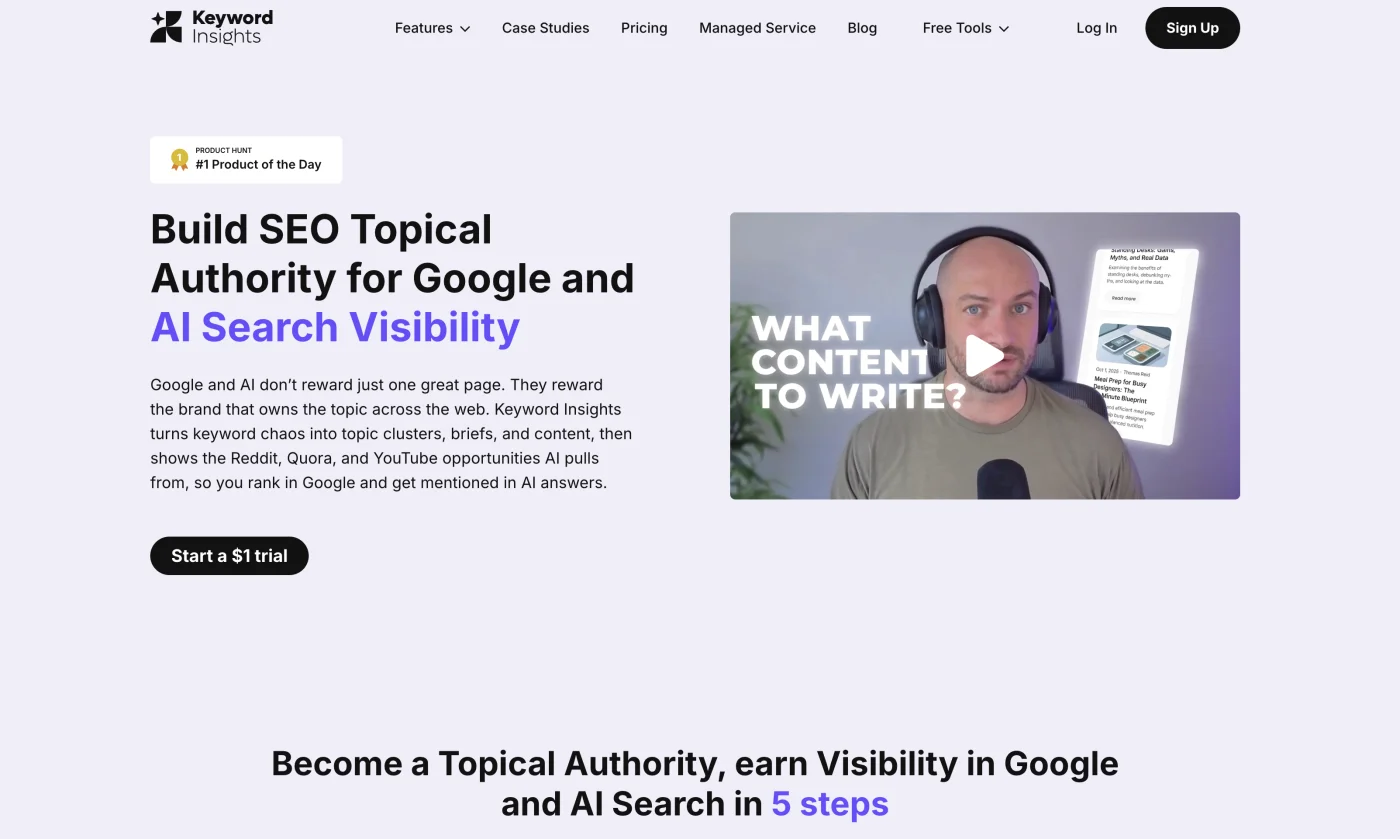
Many SEO tools focus on finding keywords. Keyword Insights focuses on understanding the relationships between them, and that distinction matters, because modern search engines evaluate topical authority rather than isolated keyword rankings. Using AI to cluster search terms into meaningful topics and content hubs, it helps identify:
- Content clusters
- Search intent
- Topic gaps
- Internal linking opportunities
- Authority-building strategies
Instead of creating dozens of disconnected articles, businesses can build comprehensive content ecosystems. For companies serious about long-term organic growth, this approach is often more effective than traditional keyword targeting.
7. Tugan.ai
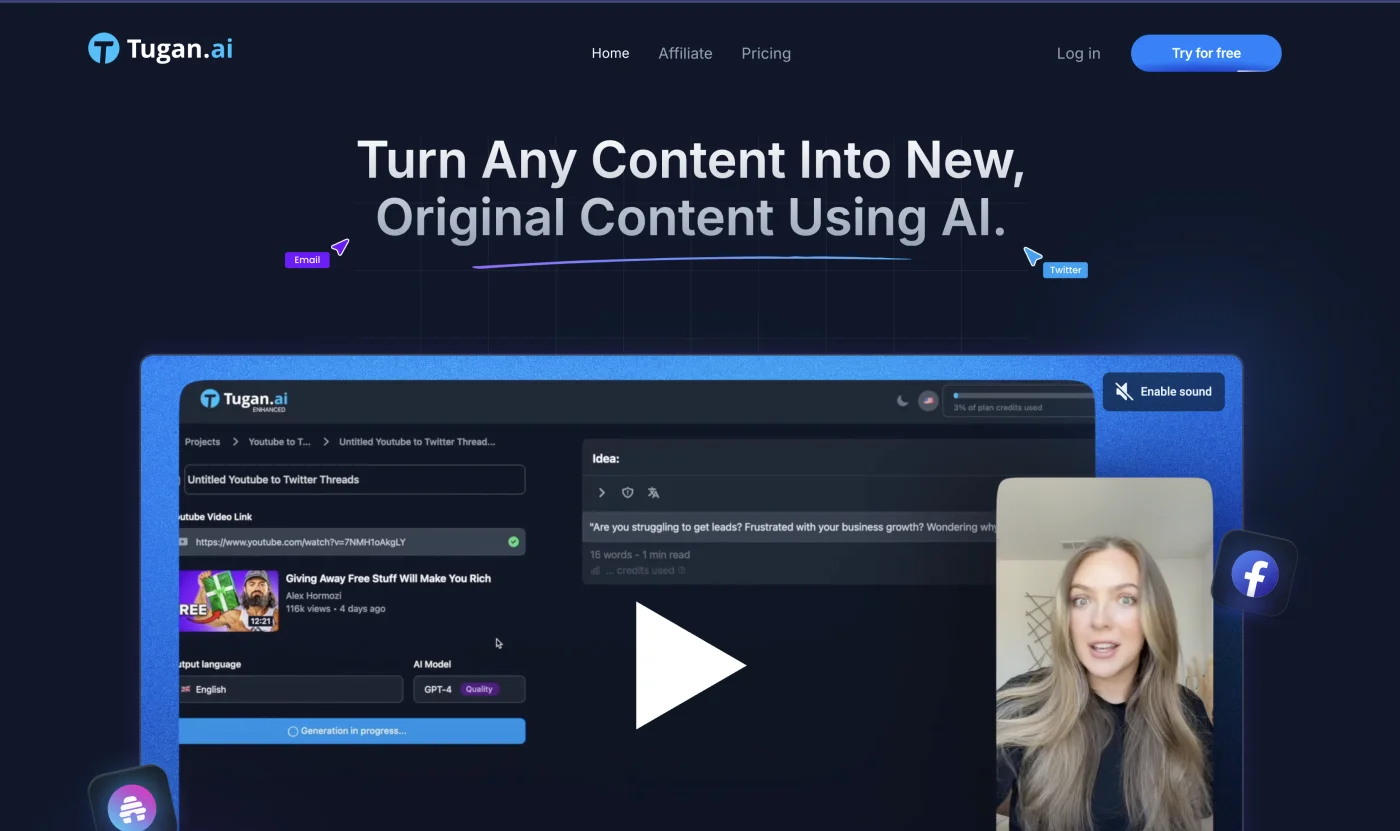
Content repurposing is one of the highest-ROI marketing activities, and most businesses already have valuable content sitting unused: blog posts, videos, podcasts, webinars, newsletters. Tugan.ai transforms existing content into new marketing assets. Feed it articles, YouTube videos, websites, or notes, and it generates:
- Social media posts
- Email campaigns
- Ad copy
- LinkedIn content
- Twitter/X threads
Rather than constantly creating from scratch, businesses can maximize the value of material they already have. That makes Tugan particularly useful for founders and consultants who already produce thought-leadership content.
8. Hexomatic
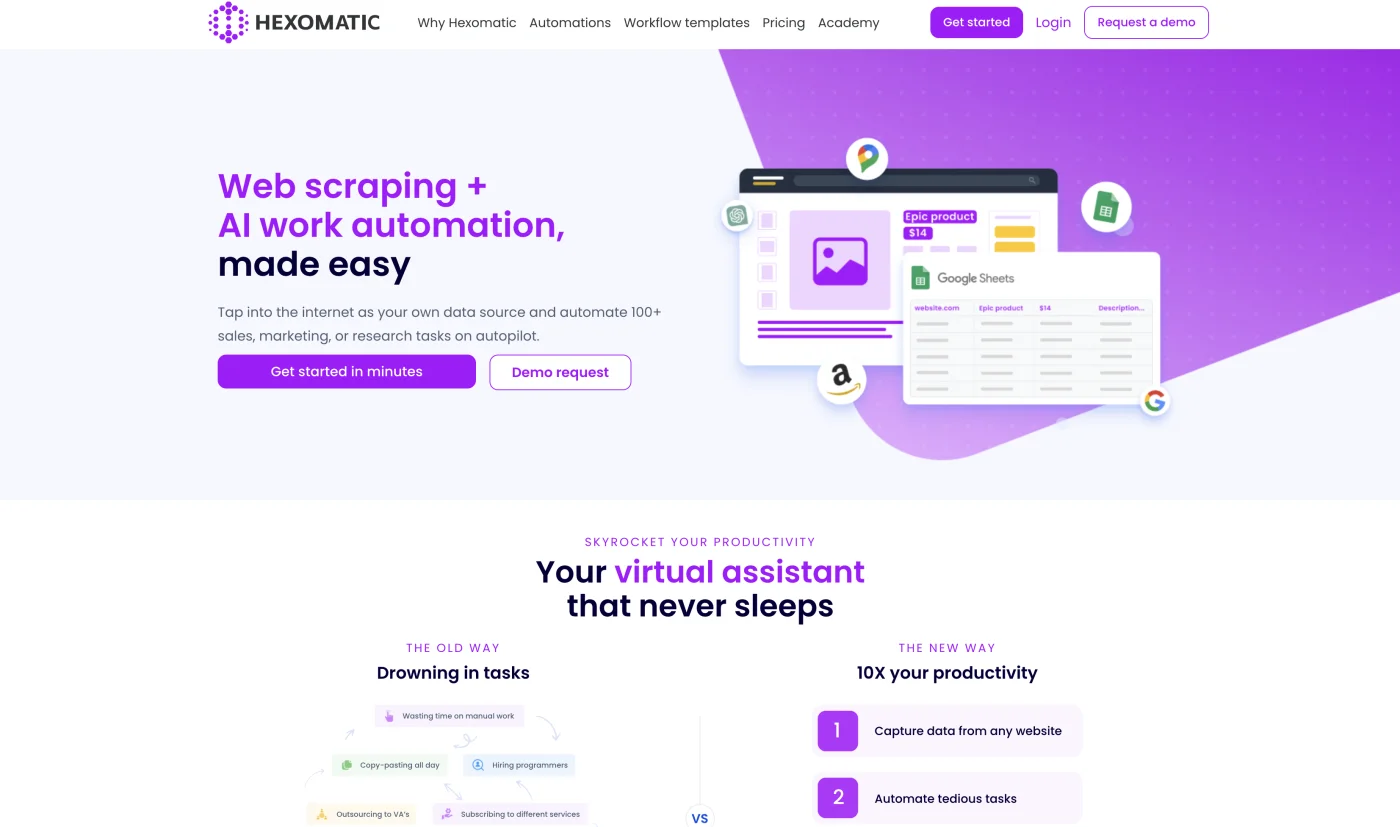
Many small businesses waste time on repetitive marketing tasks: research, data entry, website analysis, lead qualification. Hexomatic combines AI with automation workflows to eliminate much of this manual work, offering automation for:
- Website audits
- Lead enrichment
- Market research
- Content extraction
- SEO analysis & data collection
Think of it as a bridge between marketing operations and AI automation. Businesses can create workflows that run automatically in the background, freeing time for strategic work.
Why Small Businesses Should Look Beyond Popular AI Tools
The AI market is becoming increasingly crowded. Thousands of tools launch every year, and many promise revolutionary results but deliver incremental improvements. The most successful businesses often gain an advantage not by using the most famous tools, but by using tools that solve specific problems better than the mainstream alternatives.
The eight platforms highlighted here represent different parts of the modern marketing stack:
| Tool | Primary use |
|---|---|
| ActVox | Marketing strategy, SEO, AEO, content & marketing hub |
| SparkToro | Audience research |
| Ocoya | Social media management |
| Frase | SEO content optimization |
| Browse AI | Competitive intelligence |
| Keyword Insights | Topical authority planning |
| Tugan.ai | Content repurposing |
| Hexomatic | Marketing automation |
Together, they address many of the biggest challenges facing small businesses:
- Limited budgets
- Small teams
- Increasing competition
- Search engine changes
- AI-driven discovery
- Content production demands
The Future of AI Marketing
The next phase of marketing is not simply about generating content faster. It is about building systems that combine research, strategy, optimization, and execution.
As AI-powered search experiences continue to expand through ChatGPT, Google AI Mode, Gemini, and Perplexity, businesses must think beyond traditional SEO. Visibility increasingly depends on becoming a trusted source that both search engines and AI systems can reference. Tools focused on Answer Engine Optimization, audience intelligence, automation, and content ecosystems are likely to become more valuable than standalone content generators.
For small businesses, the opportunity is significant. The companies that learn to combine human expertise with AI-powered systems today will have a major advantage over competitors still relying on fragmented workflows and manual processes.
The future belongs not to businesses with the biggest marketing budgets, but to those with the smartest marketing systems.